What Is Orthognathic Surgery?
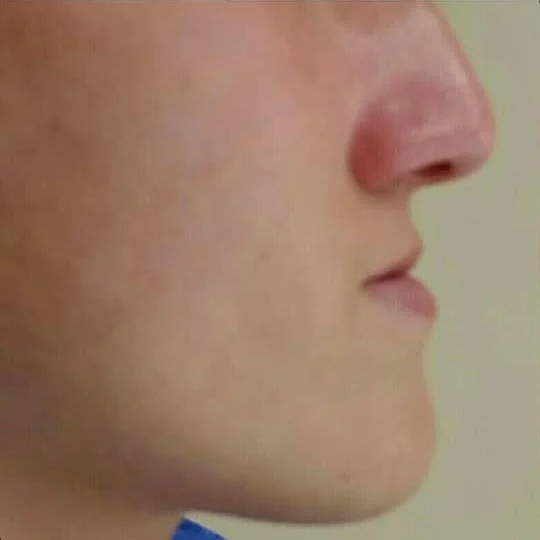
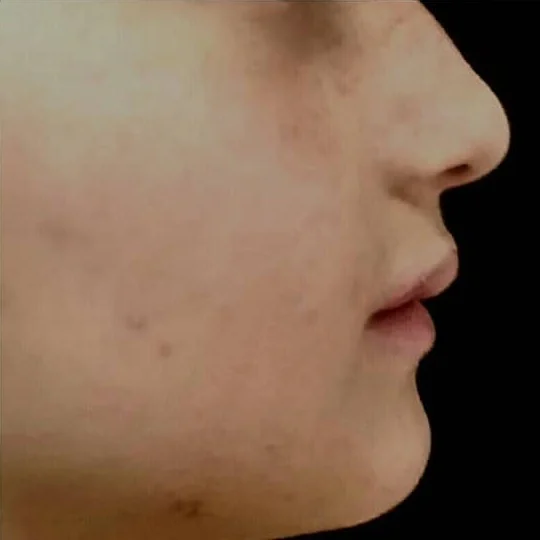
Orthognathic surgery repositions the upper jaw, lower jaw, or both to improve how the teeth meet and restore facial balance.
When Is Jaw Surgery Needed?
It may be recommended when a jaw discrepancy cannot be corrected with orthodontics alone and causes problems such as difficulty chewing, an open bite, significant asymmetry, or certain sleep-related breathing disorders.
How Are Orthodontics and Surgery Planned Together?
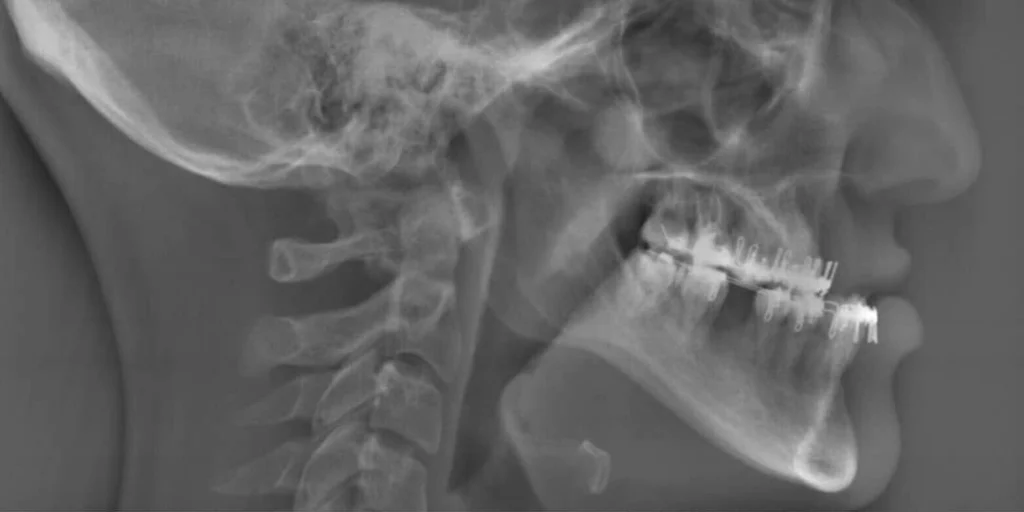
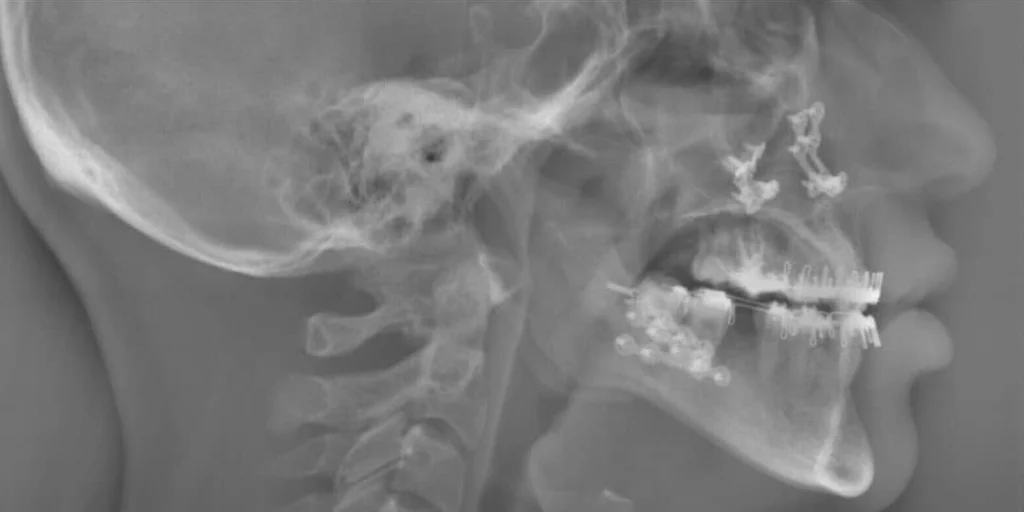
The surgeon and orthodontist develop a shared treatment plan based on your bite, facial proportions, dental records, and imaging. Orthodontics aligns the teeth within each jaw, while surgery corrects the relationship between the jaws to achieve a coordinated functional and aesthetic result.
How Is the Operation Performed?
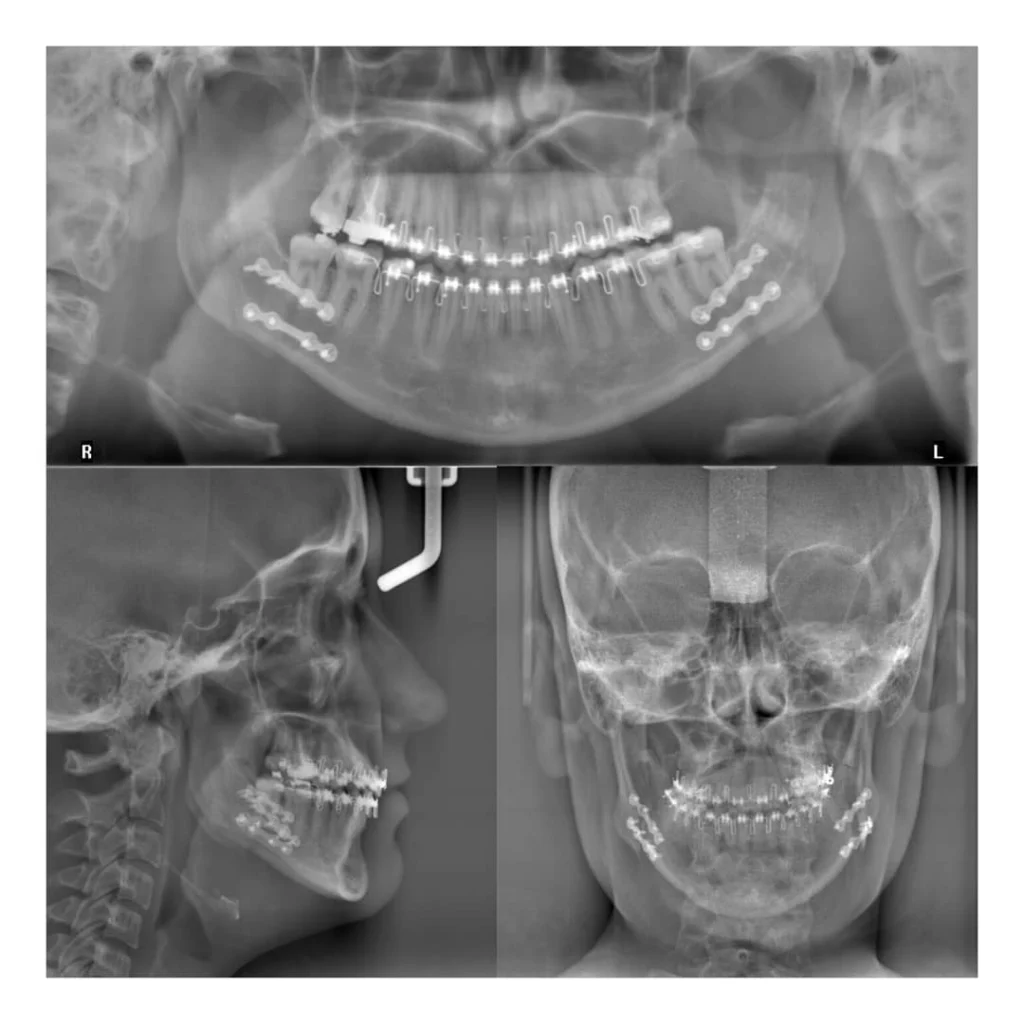
The operation is performed under general anaesthesia, usually through incisions inside the mouth to avoid visible facial scars. The planned jaw movements are made through controlled bone cuts, and the repositioned bones are secured with small plates and screws; surgical guides or bite splints may help transfer the plan accurately.
Treatment Timeline
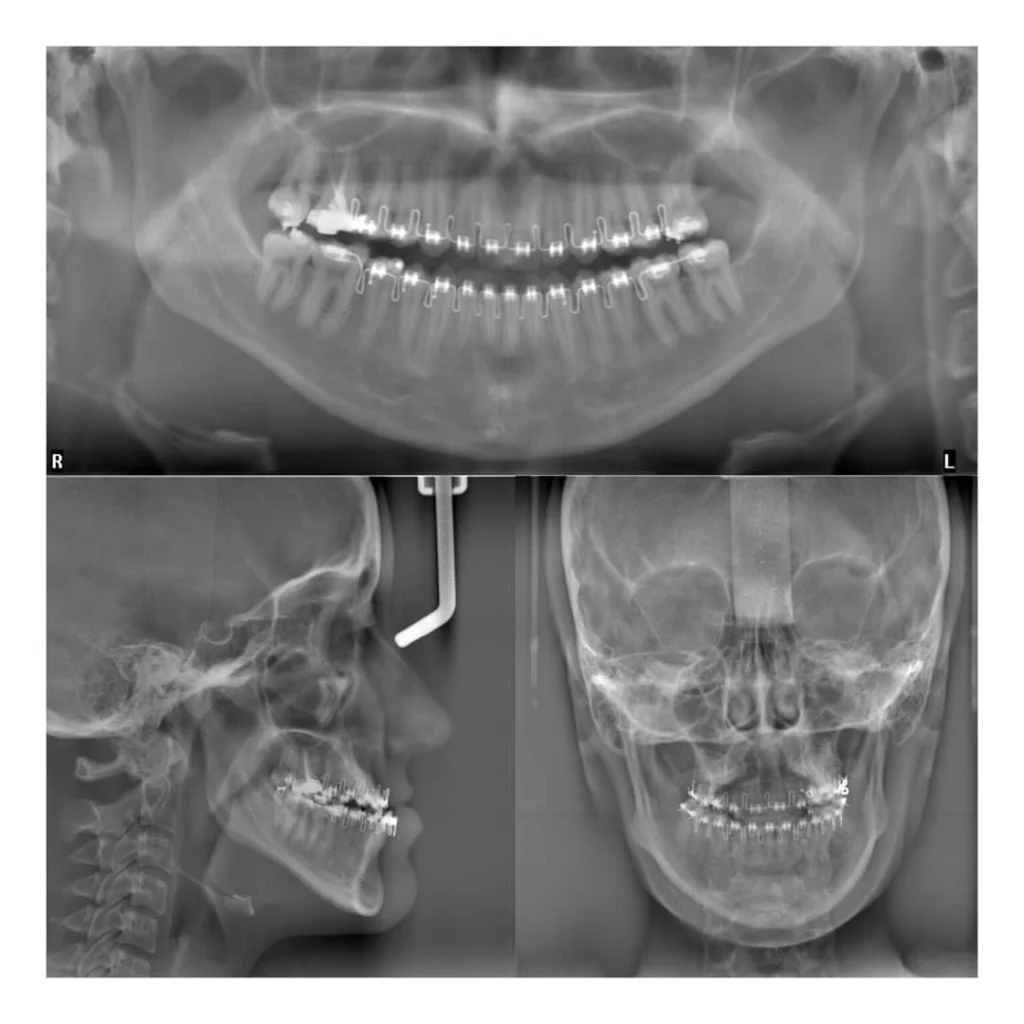
- Examination, Photos and CT Scan — Your assessment includes a review of your medical history, bite, jaw function, and facial proportions, supported by photographs and dental scans or impressions. X-rays and, when indicated, a three-dimensional CT scan provide additional information for diagnosis and planning.
- Joint Planning With the Orthodontist — The surgeon and orthodontist agree on the intended bite and jaw positions, as well as the sequence of treatment. Digital planning may help assess the proposed movements and prepare surgical splints or guides.
- Pre-Surgical Orthodontics — Braces or clear aligners prepare the teeth to fit together after the jaws are repositioned. This stage often takes several months and can temporarily make the bite appear less balanced as the teeth are moved out of their compensating positions.
- Orthognathic Surgery — Surgery repositions one or both jaws according to the agreed treatment plan. The length of the operation and hospital stay depend on the procedure and your individual recovery needs.
- Recovery and Post-Surgical Orthodontics — Early recovery focuses on swelling control, nutrition, oral hygiene, and protecting the healing jaws. Orthodontic treatment then refines the bite, followed by retainers to help maintain tooth alignment.
Recovery Week by Week
Week 1
Swelling, tiredness, nasal congestion, and altered sensation around the lips or cheeks are common, depending on the procedure. Follow your team's instructions on medication, oral hygiene, hydration, and a liquid or non-chew diet.
Week 2
Swelling usually begins to settle, although bruising, numbness, and reduced energy may remain. Some patients feel ready for light desk-based activities, but returning to work or study depends on the operation and recovery progress.
Weeks 3–4
Comfort and stamina generally improve, and your team will monitor healing and the way your teeth meet. Continue the prescribed diet and any elastics, and avoid chewing or strenuous activity until cleared.
Weeks 5–6
Your surgeon may allow a gradual increase in activity and changes to food texture if healing is satisfactory. Feeling better does not mean the bones have fully healed, so restrictions should only be relaxed on clinical advice.
Beyond Week 6
Residual swelling and altered sensation can continue to improve over several months, while orthodontics fine-tunes the bite. Recovery varies, and some sensory changes may persist.
Results: Function and Facial Balance
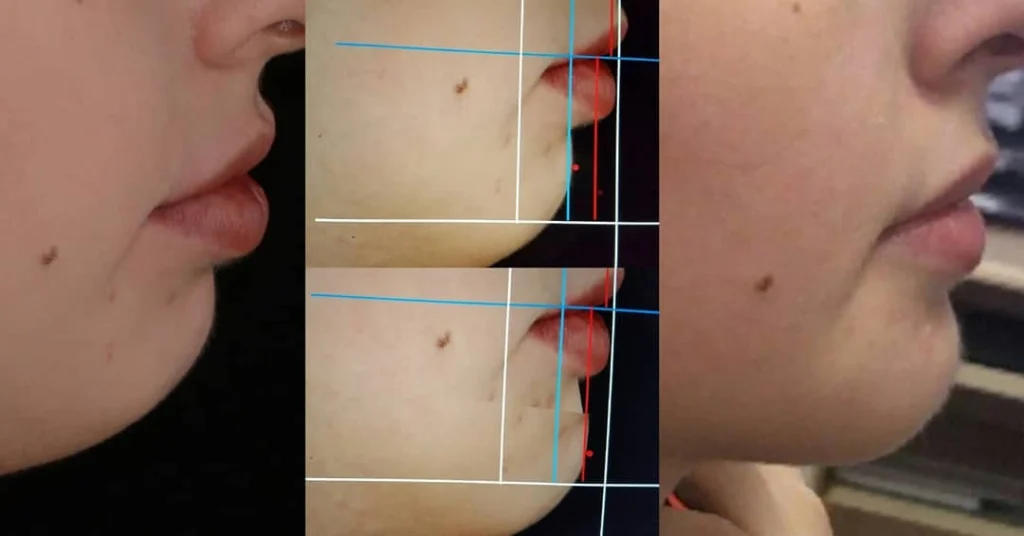
Orthognathic surgery aims to improve the bite and chewing function while bringing the jaws and facial proportions into better balance. Results develop as swelling resolves and orthodontic treatment is completed; outcomes and long-term stability depend on the original condition, treatment plan, healing, and follow-up care.
Orthognathic Surgery Training
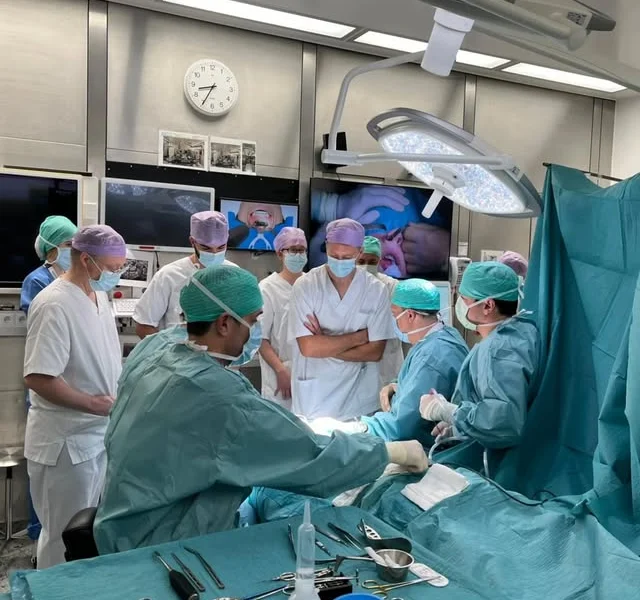
Training in orthognathic surgery combines facial assessment, orthodontic coordination, three-dimensional planning, and operative techniques. Case-based teaching, simulation, and supervised surgical experience help surgeons develop sound clinical judgement, with particular attention to patient selection, anatomical safety, and complication management.
Frequently Asked Questions
Is jaw surgery risky?
Like any major operation, orthognathic surgery has risks, including bleeding, infection, changes in sensation, and problems with healing or the bite. Your surgeon will explain the risks specific to your health and treatment plan and how they are managed.
Will I have visible scars?
The incisions are usually made inside the mouth, so visible facial scars are generally not expected. The approach may vary depending on the procedure.
How many days will I stay in hospital?
Many patients stay for one or more nights, but the length of stay depends on the operation, your recovery, and your surgeon's protocol. Your care team will confirm the expected plan before surgery.
When can I return to work or school?
Recovery time varies, but many people need around two to four weeks away from work or school, sometimes longer after more extensive surgery. Your surgeon can advise when it is appropriate to return based on your healing and the demands of your daily activities.
Is there an age limit for orthognathic surgery?
There is no single upper age limit, but surgery is generally considered after jaw growth is complete. Overall health, bone healing, dental health, and individual treatment goals are also considered.