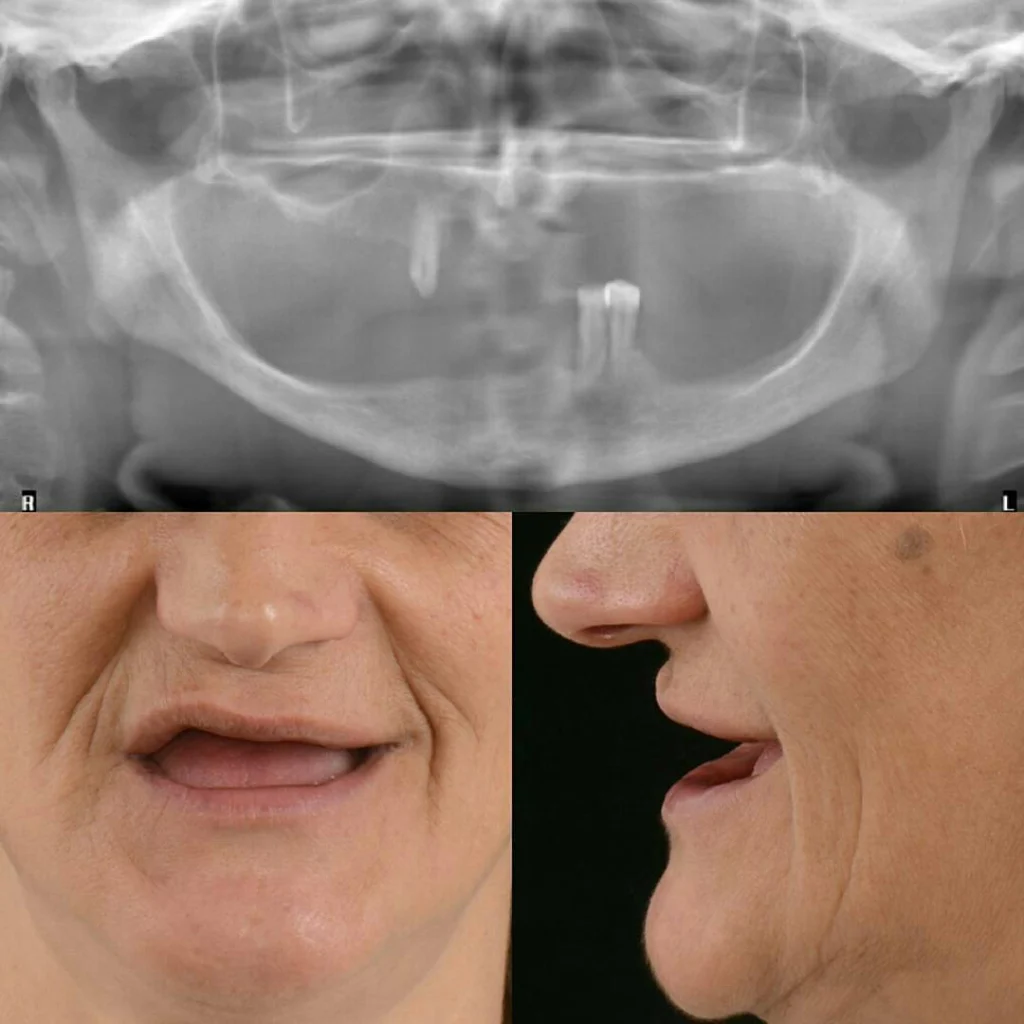
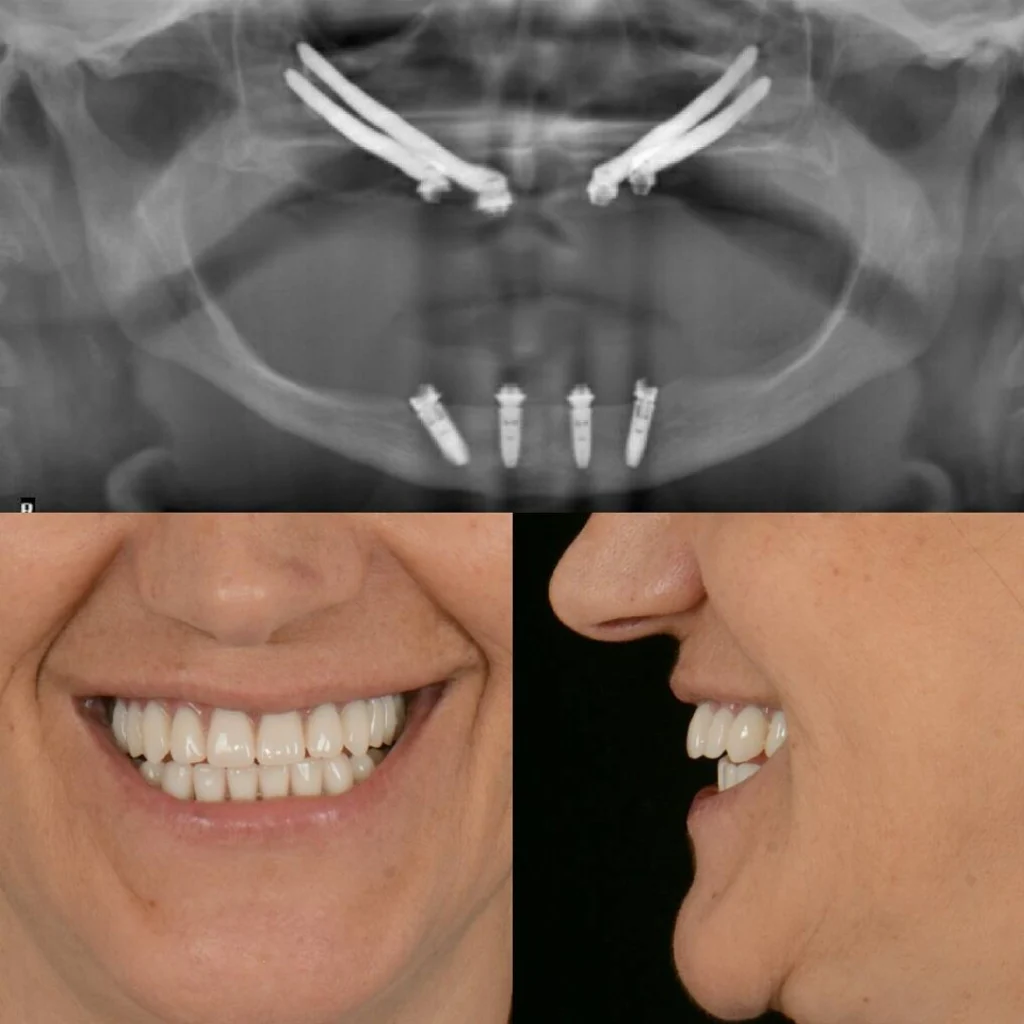
What Is a Zygomatic Implant?
A zygomatic implant is a specialized treatment method designed for individuals who have experienced significant bone loss in the upper jaw—meaning they lack sufficient bone quality for conventional dental implants.
Who Is a Candidate for Zygomatic Implants?
Patients who have been told they "do not have enough bone for implants," those who have been edentulous (toothless) for a long time, individuals who have previously experienced implant failure, or those who cannot undergo bone grafting due to sinus-related issues are ideal candidates for zygomatic implants.
What Is the Difference Between Zygomatic Implants and Conventional Implants?
Zygomatic implants are longer than conventional implants and are anchored into the cheekbone (zygoma). This allows for fixed tooth replacement in patients with insufficient upper-jaw bone, eliminating the need for bone grafting surgery.
What Is the Treatment Process for Zygomatic Implants?
- Examination and 3D Tomography — The treatment begins with an intraoral and extraoral examination, followed by a 3D computed tomography (CT) scan and an assessment of the patient's overall systemic health.
- Digital Surgical Planning — Intraoral scans and CT images are imported into a digital planning program to map out the procedure.
- Zygomatic Implant Surgery — The surgical procedure, which lasts a few hours, can be performed under general anesthesia or deep sedation. During surgery, the implants are anchored into the zygomatic bone; depending on the treatment plan, additional implants may also be placed in the anterior or posterior regions.
- Temporary Fixed Teeth — Patients are typically provided with temporary fixed teeth within a few days.
- Permanent Prosthesis and Regular Follow-ups — Permanent hybrid prostheses—crafted from materials such as zirconium or porcelain—are fitted once the healing process is complete, usually within 4 to 6 months. Patients are then monitored through regular check-ups, scheduled at least every 6 months.
Is It Possible to Have Fixed Teeth on the Same Day With Zygomatic Implants?
Yes, for many patients, it is possible to place temporary prostheses on the same day or within a few days.
Recovery Process After Zygomatic Implants
It is normal to experience mild swelling and bruising during the first few days following surgery. Consuming soft foods, avoiding smoking and alcohol, taking prescribed medications regularly, and maintaining good oral hygiene will help accelerate the recovery process. Following post-operative care instructions for zygomatic implants is crucial for both a comfortable recovery and long-term success.
Success Rate and Long-Term Outcomes of Zygomatic Implants
Clinical studies report a success rate of approximately 95% for zygomatic implants. With regular dental check-ups, proper oral hygiene, and a healthy lifestyle, these implants can be used successfully for many years. Smoking and uncontrolled diabetes are the primary risk factors that may negatively affect the success of the procedure.
Frequently Asked Questions About Zygomatic Implants
Are zygomatic implants painful?
Since the surgery is performed under anesthesia, no pain is felt; the post-operative period is generally managed effectively with prescribed painkillers.
How long does zygomatic implant surgery take?
The surgery takes 1–2 hours.
Can zygomatic implants be used instead of a sinus lift?
The answer to this question varies for each patient. An assessment is made based on the patient's age, general health, the condition of their other teeth, and their expectations regarding the treatment timeline.
Can zygomatic implants last a lifetime?
Zygomatic implants demonstrate high long-term survival rates. Naturally, it is impossible to guarantee that any medical treatment will last a lifetime. Long-term success can be achieved through effective collaboration between the doctor and the patient throughout the treatment process.